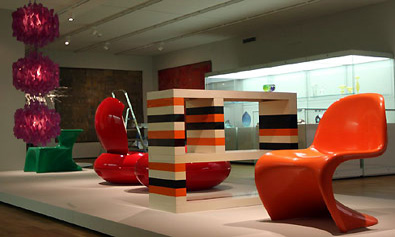
Museum of Applied Arts
Today, the collections of European and non-European arts and crafts comprise more than 90,000 objects from antiquity to the present day.

Leipzig's art treasures, museums and collections have always played an important role in the city's history. They include collections begun by city institutions and the university as well as private collections or privately owned works of art given to the city's public.
Today, the collections of European and non-European arts and crafts comprise more than 90,000 objects from antiquity to the present day.
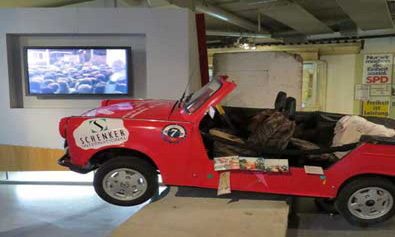
The Forum of Contemporary History concentrates on the history of dictatorship and moral courage in the Soviet Occupation Zone during the GDR times.

The museum presents the life and works of Johann Sebastian Bach and his family in an interactive multimedia exhibition and original manuscripts.
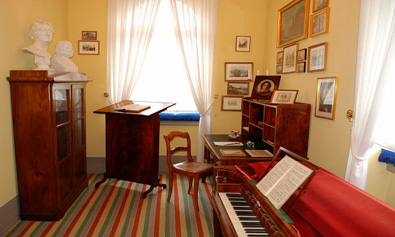
The Mendelssohn House is the only remaining private address of the outstanding musician Felix Mendelssohn Bartholdy (1809-1847).
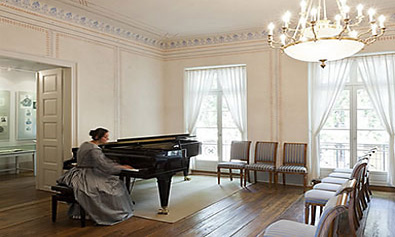
The Schumann House Museum is in the former house of the composer Robert Schumann and his pianist wife Clara Schumann.

The Museum of Musical Instruments is housed in the newly renovated Grassi Museum, only a few steps from the Opera and the Gewandhaus.

The Museum of City History is a new annex for the city's vast collection; a sort of treasure chamber which is full of surprises.
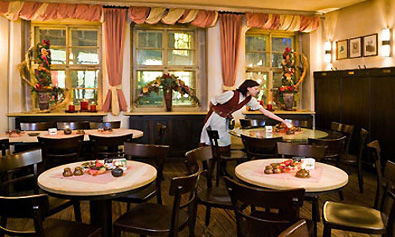
In the middle of Leipzig and only a few metres from the Old Town Hall is Germany's oldest coffee house which has been serving coffee since 1711.
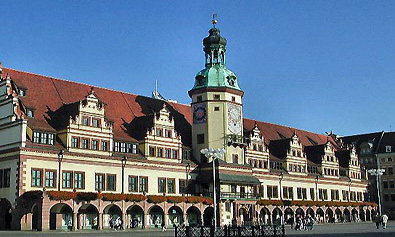
The Old Town Hall is one of the most beautiful renaissance buildings in Germany built in 1556. It went under substantial reconstruction between 1905 -1909.
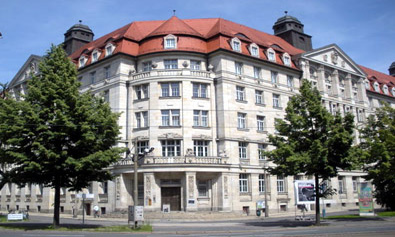
The building where for 40 years the Stasi had its headquarters for the district of Leipzig now houses the "Runde Ecke" (Round Corner) Memorial Museum.
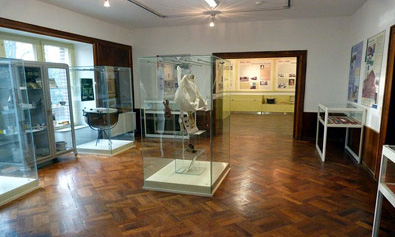
This interesting museum explores the somewhat fine line between madness and genius such as the inventor Karl Hans Janke and the poetess Lene Voigt.
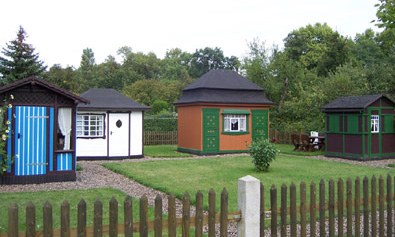
Allotments are seen more of a place for people to spend the warmer months together. This small interesting museum traces the history of the German allotment to modern times.


